



На практике многие инженеры сталкиваются с распространенной проблемой: контур управления остается нестабильным, несмотря на выбор клапана, соответствующего параметрам процесса на бумаге — он либо сильно колеблется при малых открытиях, либо вяло реагирует при больших открытиях. Причина часто кроется не в качестве клапана, а в его конструкции. выбор неправильной характеристики потока.
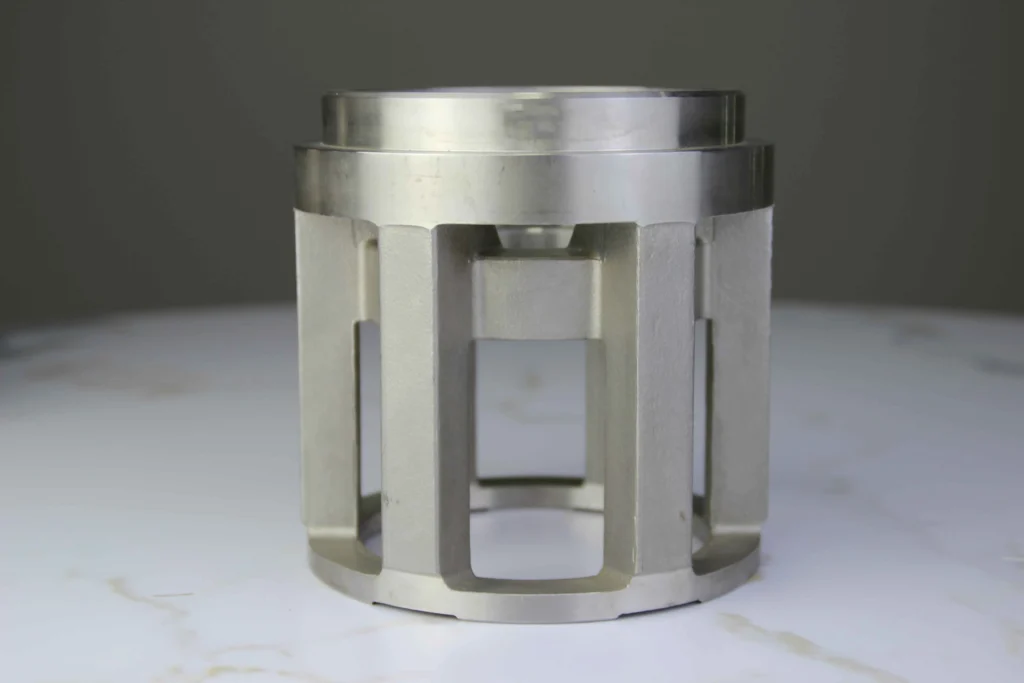
1. Что такое характеристика потока?
Он присущие характеристики потока Функциональная зависимость между относительным расходом и относительным перемещением клапана определяется геометрией его конструкции, а именно, контуром затвора.
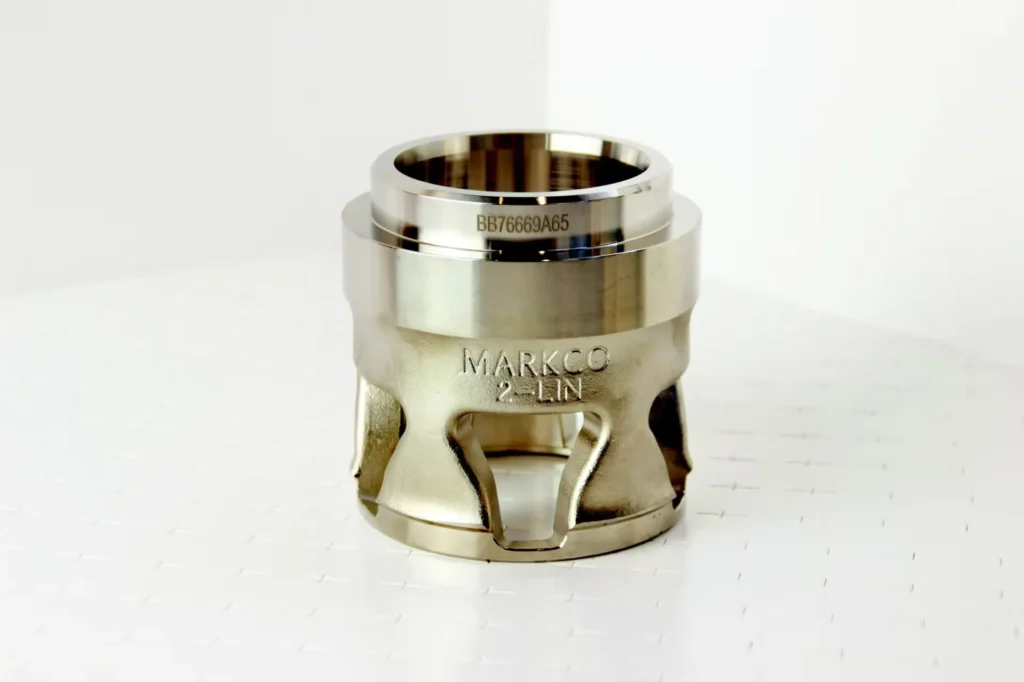
В инженерной практике для непрерывного управления технологическим процессом действительно используются только две присущие потоку характеристики: линейная характеристика и характеристика равного процента. Параболическая характеристика находится между этими двумя и обычно может быть заменена характеристикой с равным процентным соотношением. Характеристика быстрого открытия в основном используется для управления включением/выключением или аварийного отключения и не считается стандартной для модулирующего режима работы.
В таблице ниже представлено наглядное сравнение основных различий между двумя главными характеристиками:
| Размер сравнения | Линейная характеристика | Характеристика равного процента |
|---|---|---|
| Взаимосвязь потока и перемещения | При ходе 50% поток достигает максимального значения 50%. | При движении со скоростью 501 тонна в три раза больше нормы, расход составляет всего около 181 тонны в три раза больше максимальной нормы. |
| Математическая сущность | Изменение потока на единицу перемещения является постоянным. | Относительное изменение потока на единицу перемещения пропорционально текущему потоку. |
| Низкооткрытое поведение | Поток резко меняется; склонен к перерегулированию и колебаниям. | Изменения потока происходят плавно; обеспечивается плавная регулировка. |
| Поведение с высокой степенью открытости | Изменения потока происходят плавно; регулирование медленное. | Реагирует на изменения потока; обладает высокой способностью к регулированию. |
| Изогнутая форма | Прямая линия | Кривая постоянно находится ниже линейной кривой. |
В сущности, усиление линейной характеристики (т.е., изменение потока на единицу изменения расстояния) остается постоянным на всем протяжении диапазона перемещения. В отличие от этого, Прирост характеристики в равном процентном соотношении увеличивается с увеличением потока.— Чем больше текущий поток, тем больше прирост потока при заданной корректировке поездки.
Это различие напрямую определяет характеристики контура управления: линейный клапан демонстрирует относительно высокое усиление при малых открытиях, что может привести к перерегулированию и колебаниям, в то время как его усиление при больших открытиях относительно низкое, что приводит к вялой реакции. Клапан с равным процентным коэффициентом усиления работает противоположным образом — тенденция изменения его усиления совпадает с типичным изменением усиления системы, обеспечивая тем самым более стабильное управление во всем рабочем диапазоне.
2. Критерий выбора сердечника: соответствие характеристик системному сопротивлению.
С учетом установленных принципиальных различий, ключевым параметром, определяющим выбор, является S-значение (разрешение на использование клапана) . Определяемое как отношение перепада давления на полностью открытом клапане к общему перепаду давления в системе, значение S заполняет пробел между присущими характеристиками и установленными (фактическими) характеристиками.
В реальных условиях перепад давления на клапане редко бывает постоянным. Когда значение S-фактора низкое, значительную часть общего сопротивления составляют трубопроводы и другие компоненты системы. По мере открытия клапана перепад давления на нем существенно изменяется, искажая кривую зависимости расхода от давления: Линейная характеристика будет искажаться в сторону профиля быстрого открытия, в то время как характеристика с равным процентным содержанием будет смещаться в сторону линейного профиля.. Чем меньше значение S, тем сильнее искажение.
Основной принцип отбора таков: Потоковая характеристика регулирующего клапана должна противодействовать суммарным характеристикам процесса и контроллера, так чтобы общий коэффициент усиления контура оставался максимально постоянным во всем рабочем диапазоне.. Конкретные критерии отбора изложены ниже:
2.1 Оценка S-значения (разрешения на использование клапана)
- S > 0,75Сопротивление системы сосредоточено преимущественно в клапане; колебания перепада давления минимальны. Естественные характеристики точно соответствуют характеристикам установленного оборудования. Предпочтительна линейная характеристика., обеспечивая постоянный суммарный коэффициент усиления контура на всем диапазоне перемещения.
- S = 0,3–0,75Сопротивление распределяется между клапаном и трубопроводом. Падение давления значительно изменяется в зависимости от хода, что приводит к искажению линейной кривой и формированию формы быстрого открытия, ухудшая эффективность управления. Предпочтительным является равномерное процентное соотношение характеристик., поскольку присущая ему компенсация усиления компенсирует искажения системы, поддерживая почти линейное общее усиление контура.
- S < 0,3Сопротивление трубопровода является доминирующим фактором; эффективность управления значительно снижается. Стандартный регулирующий клапан, как правило, непригоден. Вместо этого следует рассмотреть возможность снижения сопротивления системы на этапе проектирования или использования специализированных клапанов, разработанных для применений с низким сопротивлением.
2.2 Оценка изменения нагрузки
- Значительные колебания нагрузкиХарактеристика с равным процентным соотношением обеспечивает низкое усиление (плавное управление) при малых отверстиях и высокое усиление (быстрое управление) при больших отверстиях, автоматически адаптируясь к изменяющимся требованиям процесса.
- Стабильная нагрузка и фиксированная заданная точкаЛинейная характеристика обеспечивает постоянное усиление, что позволяет добиться более высокой точности при относительно фиксированной рабочей точке.
Кроме того, для процессы с медленной реакцией (например, при регулировании температуры в крупном реакторе) линейная характеристика может быть подходящей, когда S > 0,4. процессы быстрого реагирования (например, при регулировании давления или расхода) характеристика с равным процентным соотношением часто является более безопасным выбором, когда детальная динамика системы неопределенна.
3. Рекомендации по выбору отделки для эксплуатации в тяжелых условиях.
В условиях эксплуатации в жестких условиях, связанных с кавитацией, высоким уровнем шума или большими перепадами давления, выбор характеристик потока должен быть интегрирован с механической конструкцией элементов клапана.
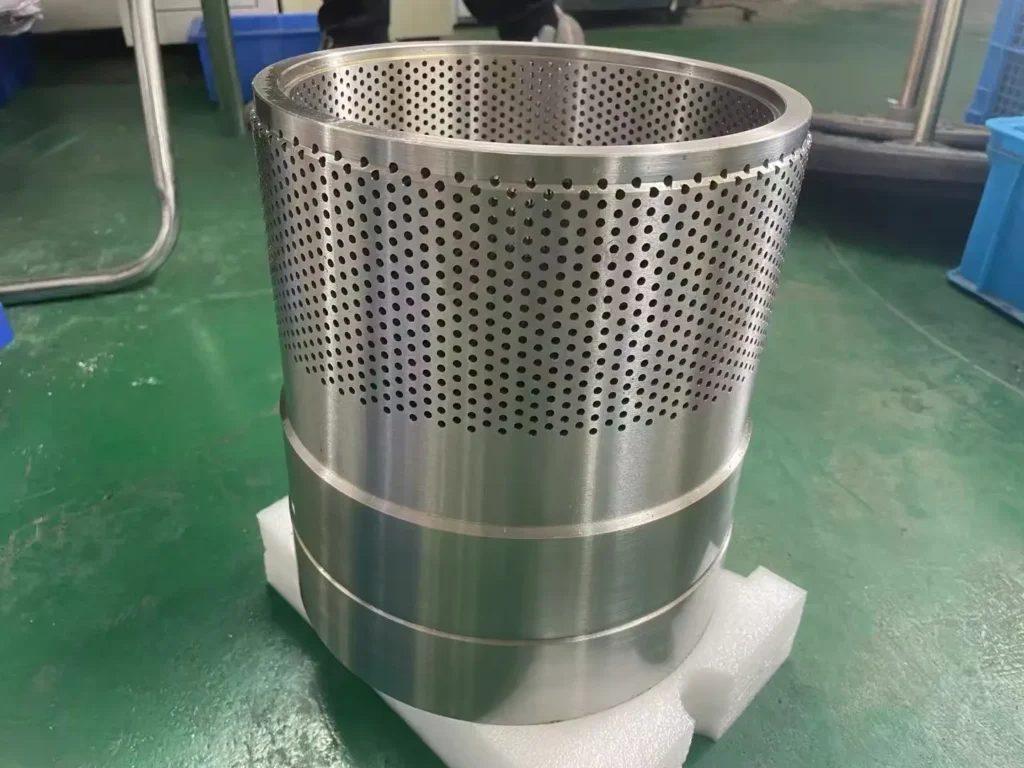
- Эксплуатация жидкостей при высоком перепаде давления (склонность к кавитации) Высокий перепад давления в потоке жидкости часто вызывает кавитацию. Схлопывание паровых пузырьков генерирует локальные ударные волны, которые могут быстро разрушать поверхности пробки и седла. В таких случаях, многоступенчатая, снижающая давление отделка Следует отдать приоритет этому. Использование каналов с извилистым путем или многоступенчатых камер позволяет распределить общее падение давления по нескольким ступеням, обеспечивая поддержание давления на каждой ступени выше давления пара жидкости и тем самым подавляя образование кавитации в ее источнике. Для применений с высоким падением давления, связанных с уносящимися твердыми частицами, следует выбирать антикавитационные элементы с расширенными каналами для предотвращения засорения частицами и обеспечения ступенчатого снижения давления.
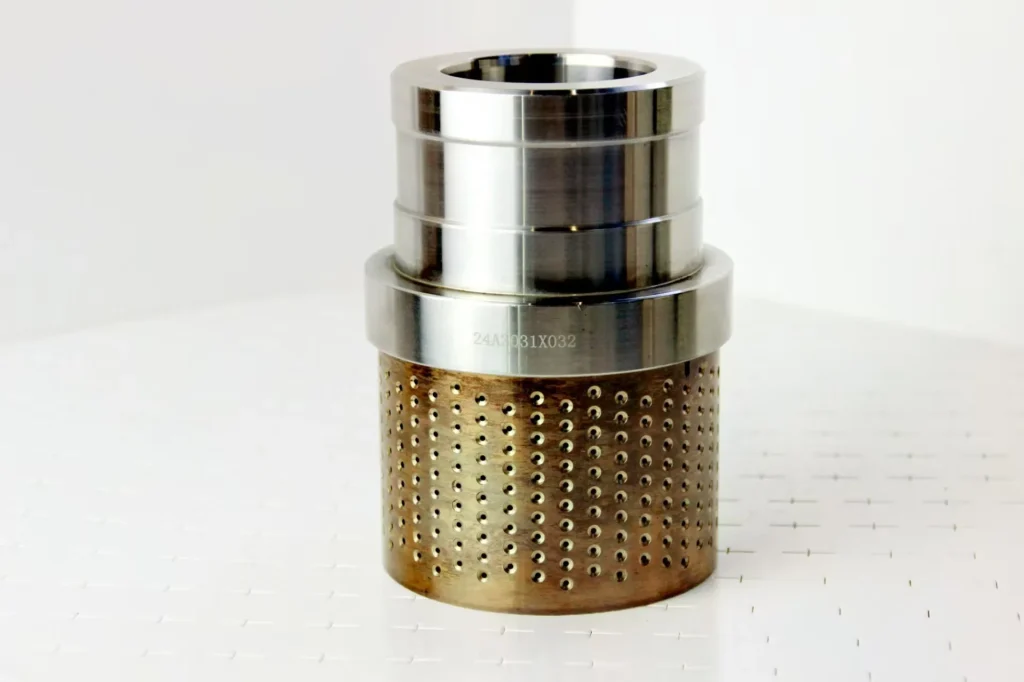
- Работа с газом/паром при высоком падении давления (высокий уровень шума) Турбулентный шум, создаваемый высокоскоростным потоком газа в месте сужения, может превышать 100 дБА. Специализированные шумопоглощающие устройства используют множество небольших отверстий или уникальную геометрию каналов для разделения высокоскоростного потока на несколько меньших струй, эффективно снижая акустическую энергию. В таких сценариях регулировка усиления с равным процентным соотношением при больших открытиях помогает стабилизировать управление, предотвращая частые движения клапанов, которые усугубляют шумообразование.
- Эксплуатация при высоких температурах/высоком давленииПовышенные температуры снижают механическую прочность материала, а высокие перепады давления ускоряют эрозию. Материалы для отделки, подходящие для таких условий, такие как никелевые сплавы (например, Inconel 625), следует использовать в сочетании с многоступенчатыми конструкциями, снижающими давление, для регулирования скорости потока жидкости. Настоятельно рекомендуется использовать уплотнение «металл к металлу» для обеспечения герметичности при высоких температурах.
- Шлам / Среда, содержащая твердые частицы или кристаллизующаяся средаПредпочтительны конструкции с простыми, обтекаемыми путями потока без застойных зон. Корпуса клапанов углового типа в сочетании с закаленными односедельными пробками уменьшают накопление частиц и абразивный износ. Для поворотных клапанов, таких как шаровые клапаны с V-образным вырезом, их характерная особенность заключается в приблизительно равном процентном соотношении, а их сдвиговое воздействие обеспечивает превосходную самоочищающуюся способность.
4. Заключение
Выбор правильных характеристик расхода — это не разовое, бинарное решение; это комплексная оценка, требующая тщательного учета сопротивления системы, динамики технологической нагрузки и поведения жидкости. Последствия несоответствия характеристик часто бывают коварными и стойкими — хронические колебания контура, снижение качества продукции и сокращение срока службы оборудования — все это приводит к увеличению эксплуатационных расходов, значительно превышающих первоначальную стоимость приобретения клапана.
От точной оценки S-значения до глубокого понимания поведения под нагрузкой и соответствующего подбора геометрии запорного клапана в условиях жесткой эксплуатации — каждый этап требует взвешенного инженерного подхода. При практической реализации проекта крайне важно тесное сотрудничество с опытными инженерами-технологами по применению клапанов. Детальные расчеты и проверка выбора на соответствие конкретным параметрам процесса гарантируют стабильную и эффективную работу каждого регулирующего клапана на протяжении всего жизненного цикла установки.